


This is what causes withdrawal symptoms such as headache, fever, nausea, irregular heartbeat and hallucinations. Some people are apprehensive to quit drinking due to withdrawal symptoms, but alcohol detox is the first step in treating alcoholism. You may be able to detox at home and still attend outpatient therapy or support group meetings. The brain compensates for the depressive effects of alcohol by increasing its activity. When people who are dependent on alcohol drink, they feel normal. When a person decides to quit drinking, they should consider seeking professional help.
- Similar to the first full day of detox, the most painful symptoms will continue into the second day.
- Your liver has enzymes that work like special tools to help metabolize (break down) different toxins that enter your body, such as alcohol.
- Flushing alcohol out of the body is one way to cleanse and detoxify.
- Reach out to a treatment provider for free today for immediate assistance.
How long does it take to detox from alcohol?

Limiting or abstaining entirely from alcohol is one of the best ways to keep your body’s detoxification system running strong. While detox diets have a seductive appeal, your body is fully equipped to handle toxins and other unwanted substances. However, the body “detoxifies” itself naturally and doesn’t actually require special diets or expensive supplements to eliminate toxins. A full-body detox typically involves following a diet to remove toxins from the body. However, your body is well-equipped to eliminate these harmful substances without dietary intervention or supplementation. Ark Behavioral Health offers 100% confidential substance abuse assessment and treatment placement tailored to your individual needs.

How Long Does it Take to Detox from Alcohol at Home?

Damaged DNA can cause a cell to grow out of control, which results in cancerous tumors. But when you ingest too much alcohol for your liver to process in a timely manner, a buildup of toxic substances begins to take a toll on your liver. When you consider how to go about giving up alcohol, account for factors like how much you drink and your reasons for drinking. The liver breaks down most consumed alcohol, eliminating 95% of it from the body. Two enzymes do most of this work, and the most important is Alcohol Dehydrogenase (ADH).
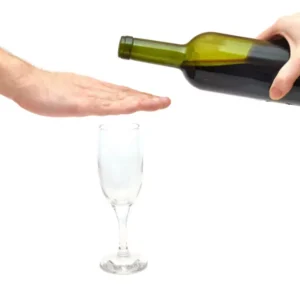
What Is Considered to Be One Drink?
By increasing your water intake, your body reduces the secretion of the antidiuretic hormone and increases urination, eliminating more water and waste products (49, 50). Focus on getting antioxidants from food and not supplements. Taking too many antioxidant supplements may increase your risk of certain diseases. For example, high consumption of sugary beverages can cause fatty liver, a condition that negatively impacts liver function (30, 31, 32).
Common misconceptions about detoxing
Therapy can help you understand why you drink and learn new habits so you can live a healthy lifestyle that doesn’t rely on alcohol as a crutch. It can also help you gain a new perspective as you consider how your life will change without alcohol. A urine test can detect alcohol for 2 to 3 days after the last drink. Your liver metabolises and eliminates 95% of the alcohol you consume. How these enzymes function and other factors, such as genetics, will determine if someone is at risk of developing alcoholism or is alcohol intolerant. Once you ingest alcohol, it passes through the portal vein to your liver and then to your heart via the hepatic vein.
Eating iron-rich foods can give you energy, make you feel replenished and help to alleviate the effects of alcohol consumption. Even after the most serious withdrawal symptoms have lessened, some people may experience post-acute withdrawal syndrome (PAWS) – the prolonged symptoms of detox. Generally, these symptoms include anxiety, low energy, trouble sleeping and delayed reflexes, and can last from several months to a year.
Regular Workouts to Flush Out Alchohol From Your System
- In severe cases, it might result in high blood pressure and a slowed heart rate.
- But quitting on your own can pose risks to your health and is unlikely to be successful.
- The process of metabolizing alcohol is more complex than many might think.
Some proponents suggest that carbon or charcoal capsules, which people can buy in health food stores, may help with sobering up. However, there is no effective way to sober up quickly other than to stop drinking and allow time to pass. Discover benefits of effective detoxification and explore how sauna therapy aids liver health. Pomegranate juice is an excellent source of vitamin C and contains punicalagin. It has three times more antioxidant activity than red wine and green tea. Additionally, pomegranate juice has higher antioxidant activities on the body, thus aiding in detoxification.

- Still, only when these organs are healthy can they effectively eliminate unwanted substances.
- It also compels you to take deep breaths, providing more oxygen to your liver and enhancing its performance.
- If you’re unable to reduce how much you drink, you may have a disease called alcoholism that requires professional addiction treatment.
- Alcohol is soluble in water, which allows it to spread throughout the body’s fluid compartments.
Just 1 to 2 drinks per day can lead to SIBO, and make symptoms such as bloating, gas, abdominal pain, constipation, and diarrhea worse. For example, if two people each have blood alcohol levels of 20 mg/dL, the alcohol will metabolize in about an hour in each person, but their BAC can be very different. Your liver is responsible for breaking down the majority of alcohol in your how to flush alcohol out of your system in 24 hours body. As a matter of fact, 90% of the metabolism of alcohol into water and carbon dioxide is performed by the liver. The remaining 10% is removed through the lungs (breathing), kidneys (urine), and skin (sweating). You can feel the effects within 5 to 10 minutes of drinking, however, it takes about 30 to 90 minutes to peak and be carried through all the organs of the body.